
bespoke mirrors
The Price of Micrometers A Cost Analysis for 25mm and 50mm Models Micrometers are essential precision measuring instruments used across various fields, including engineering, manufacturing, and science. They allow for highly accurate measurement of small dimensions, and their importance cannot be overstated. This article will dive into the pricing dynamics of micrometers, specifically focusing on 25mm and 50mm models, and explore the factors that contribute to their costs. Understanding Micrometer Basics Before delving into pricing, it’s important to understand what a micrometer is. A micrometer typically consists of a C-shaped frame, a turning screw, and a measuring scale. When the screw is turned, it moves a spindle toward a base, allowing for precise measurement of objects. The most common types of micrometers are outside micrometers, inside micrometers, and depth micrometers, with each serving specific measurement needs. Price Range for 25mm and 50mm Micrometers The price of micrometers can vary widely based on several factors, including brand, material, accuracy, and additional features. Generally, you can find basic models of 25mm and 50mm micrometers in the price range of $20 to $100. High-end or digital models can cost anywhere from $100 to over $500. For example, a basic mechanical 25mm micrometer made from high-quality steel might be available for around $25, while the same model with a digital readout feature could retail for closer to $75. On the other hand, a high-accuracy 50mm micrometer, intended for professional use in demanding environments, could exceed $150 when incorporating special materials and advanced technology. Factors Influencing Pricing 1. Material Quality The materials used in the construction of micrometers significantly affect their price. Models made from durable steel or carbon fiber typically command higher prices due to their longevity and precision. micrometer 25 50mm price 2. Mechanism Type Mechanical micrometers are often less expensive than digital micrometers. Digital models provide ease of reading and data transmission capabilities, which justify their higher cost. 3. Calibration and Accuracy Some micrometers come pre-calibrated and offer superior accuracy levels. This attention to detail may increase the price, especially for micrometers used in highly precise applications like aerospace or automotive industries. 4. Brand Reputation Established brands with a reputation for quality will often charge more for their products. However, investing in a reputable brand can lead to higher reliability and better customer service in the long run. 5. Additional Features Micrometers equipped with additional features, such as data output options, locking mechanisms, or interchangeable anvils, usually have a higher price point due to their added functionality. Where to Buy Micrometers Micrometers can be purchased from a variety of sources. Local hardware stores often stock basic models, while specialized tool suppliers or online platforms like Amazon or eBay provide a broader selection. When purchasing online, customers should consider shipping costs, return policies, and warranties, which can vary significantly between sellers. For those seeking high-accuracy instruments, it may also be worth considering purchasing from manufacturers or specialty retailers who offer calibration services. This ensures you receive a tool that meets your specific accuracy requirements. Conclusion The cost of micrometers, particularly the 25mm and 50mm models, reflects a balance of quality, accuracy, and features. While it is possible to find budget-friendly options, investing in a higher-quality micrometer can lead to better performance and longevity, making it a worthwhile consideration for professionals and hobbyists alike. Understanding the factors influencing micrometer pricing can aid in making an informed choice that aligns with both budgetary constraints and measurement needs. Ultimately, whether you are measuring the thickness of a wire or the diameter of a machine part, a reliable micrometer is an invaluable tool in achieving precision in your work.
about
bespoke mirrors
Understanding Water Valve Pressure Key Concepts and Importance Water valves play a pivotal role in various applications, from residential plumbing systems to industrial water management. One critical aspect that significantly influences the performance and efficiency of these systems is water valve pressure. Understanding this concept is essential for both homeowners and professionals in the field, as it ensures that water flow is controlled effectively, enhancing system reliability and longevity. What is Water Valve Pressure? Water valve pressure refers to the force exerted by water on the valve during operation. This pressure can vary significantly depending on several factors, including the diameter of the pipes, the height of the water source, and the flow rate required for specific applications. Essentially, water pressure determines how well a valve can function, influencing how effectively it can open or close to regulate water flow. The Importance of Maintaining Proper Water Valve Pressure Maintaining the appropriate water valve pressure is crucial for several reasons 1. Efficiency Valves operating at the correct pressure levels ensure optimal flow rates, reducing energy consumption. In industrial applications, for instance, excessive pressure can lead to system strain, while insufficient pressure can hinder production capabilities. 2. System Longevity Constantly high or low water pressure can cause wear and tear on valves and connected piping. High pressure may lead to leaks or bursts, while low pressure can cause sediment accumulation and corrosion. Regular monitoring and adjustment of valve pressure can prolong the life of the entire water system. 3. Safety Some systems, especially in industrial settings, require precise pressure controls to prevent accidents or system failures. Anomalies in water valve pressure can lead to hazardous situations, such as explosions or contamination of water supplies. 4. Water Quality In drinking water systems, maintaining optimal pressure is key to preventing stagnation, which can lead to bacterial growth and other water quality issues . Proper pressure also facilitates effective filtration and treatment processes. water valve pressure Factors Influencing Water Valve Pressure Several factors can affect water valve pressure, including - Pipe Diameter The size of the pipes connected to the valve can significantly impact the water pressure experienced at the valve. Larger pipes generally allow more water to flow, which can help in maintaining pressure, while smaller pipes may restrict flow and create pressure drops. - Elevation Changes Water pressure is affected by gravity; therefore, elevation changes in a plumbing system play a critical role. As water is elevated, pressure decreases, which is crucial for systems located at higher altitudes. - Flow Rate Requirements Different applications have varying flow rate requirements. A system designed for high flow rates will experience different pressure dynamics compared to a system with lower flow rates. - Temperature Water temperature can also influence pressure. Heated water tends to expand, potentially increasing pressure if not properly managed. In contrast, colder water contracts, which can lead to lower pressure levels. Testing and Adjusting Water Valve Pressure Regular testing of water valve pressure is essential for maintaining an efficient system. This can be achieved using pressure gauges, which provide real-time readings of the pressure levels. If the readings fall outside the desired range, adjustments can be made through various means, such as installing pressure regulators or adjusting existing valve settings. In conclusion, understanding water valve pressure is critical for ensuring that water systems operate efficiently and safely. By recognizing the importance of maintaining proper pressure levels and the factors that influence these levels, individuals and professionals can better manage their water systems, leading to enhanced performance, safety, and longevity. Whether you are a DIY enthusiast or a seasoned plumber, keeping a close eye on water valve pressure can save time, resources, and avoid potential hazards.
-

High quality industrial productsagement

High quality industrial products
View Details -

Meet the diverse needs of customers

Meet the diverse needs of customers
View Details -

Strict quality control

Strict quality control
View Details -

Top raw materials

Top raw materials
View Details -

Trusted supplier

Trusted supplier
View Details
Our application

news and information
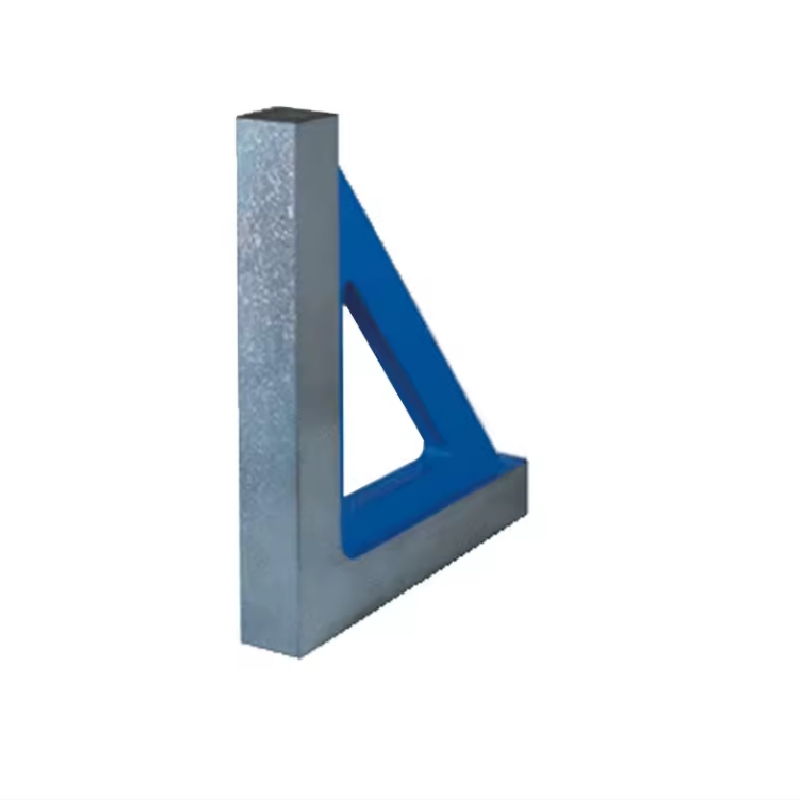
Y-Type Strainer for Efficient Filtration in Cast Iron Applications
cast iron y type strainer .
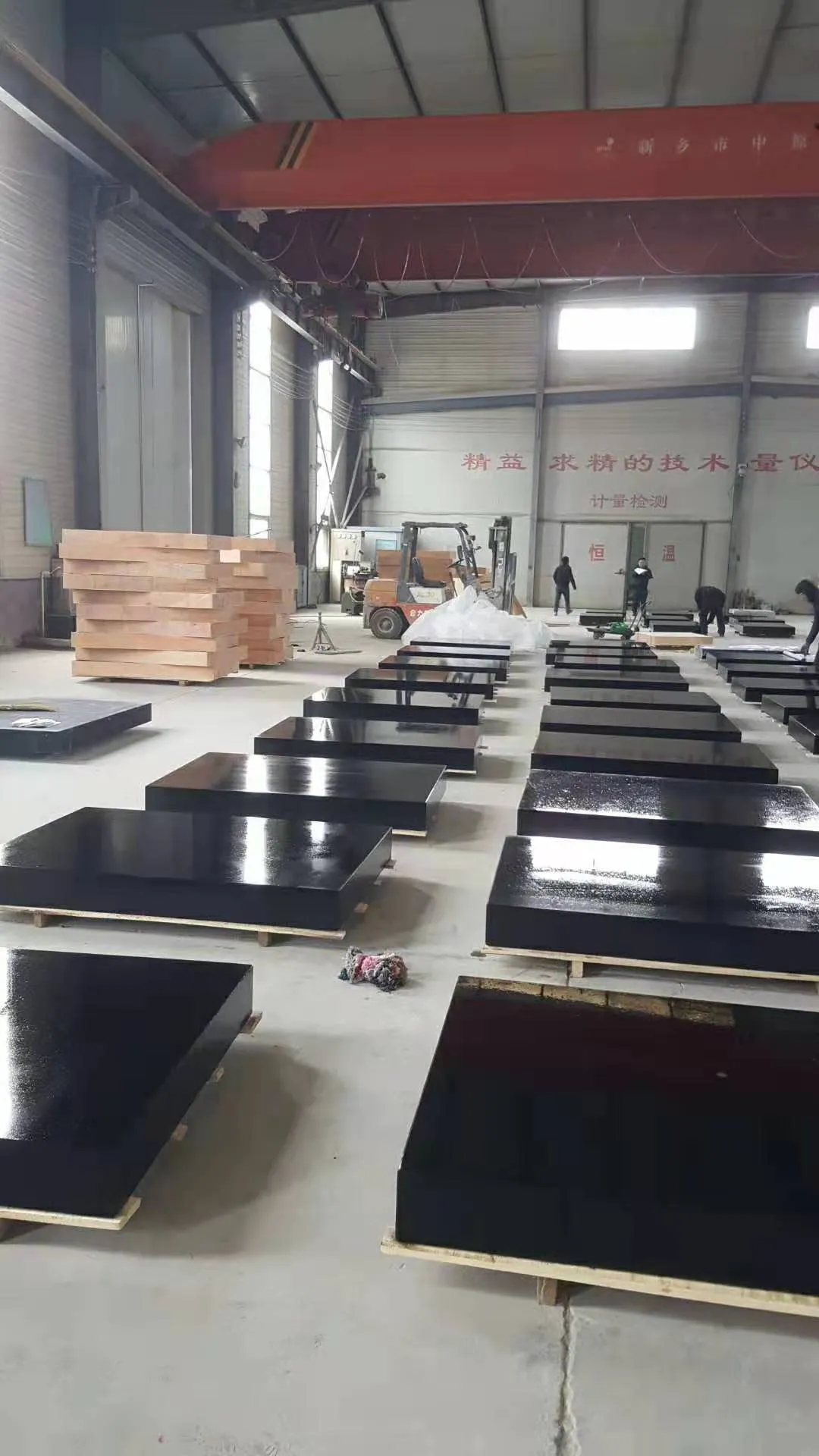
welding tables for sale
The Importance of Quality Welding Tables for Sale When it comes to metal fabrication, welding plays
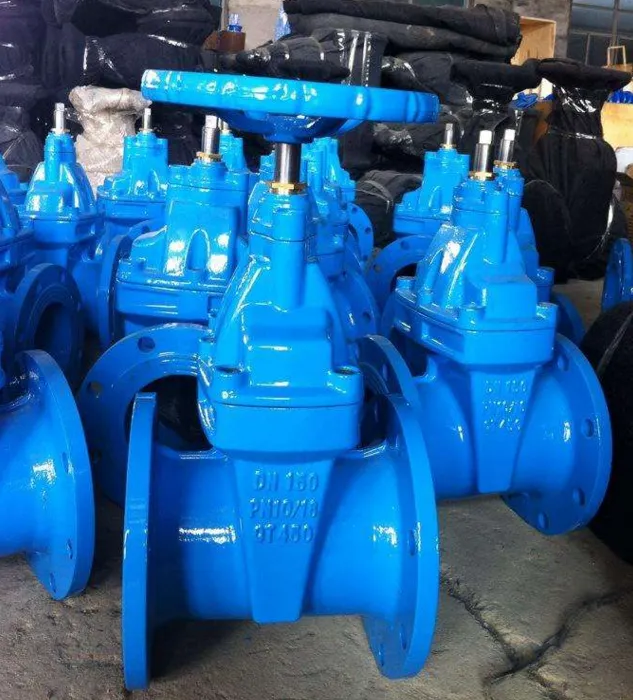
Water Hose Safety Understanding Check Valves Functionality
Understanding the Importance of Water Hose Check Valves A water hose check valve, also known as a n
 English